From the Classroom to the Global Commons
“I saw the brilliance in their eyes dim under the weight of a world they weren’t equipped to process. I realized that if access to internal stability remains a private luxury, we risk losing human potential at scale.”
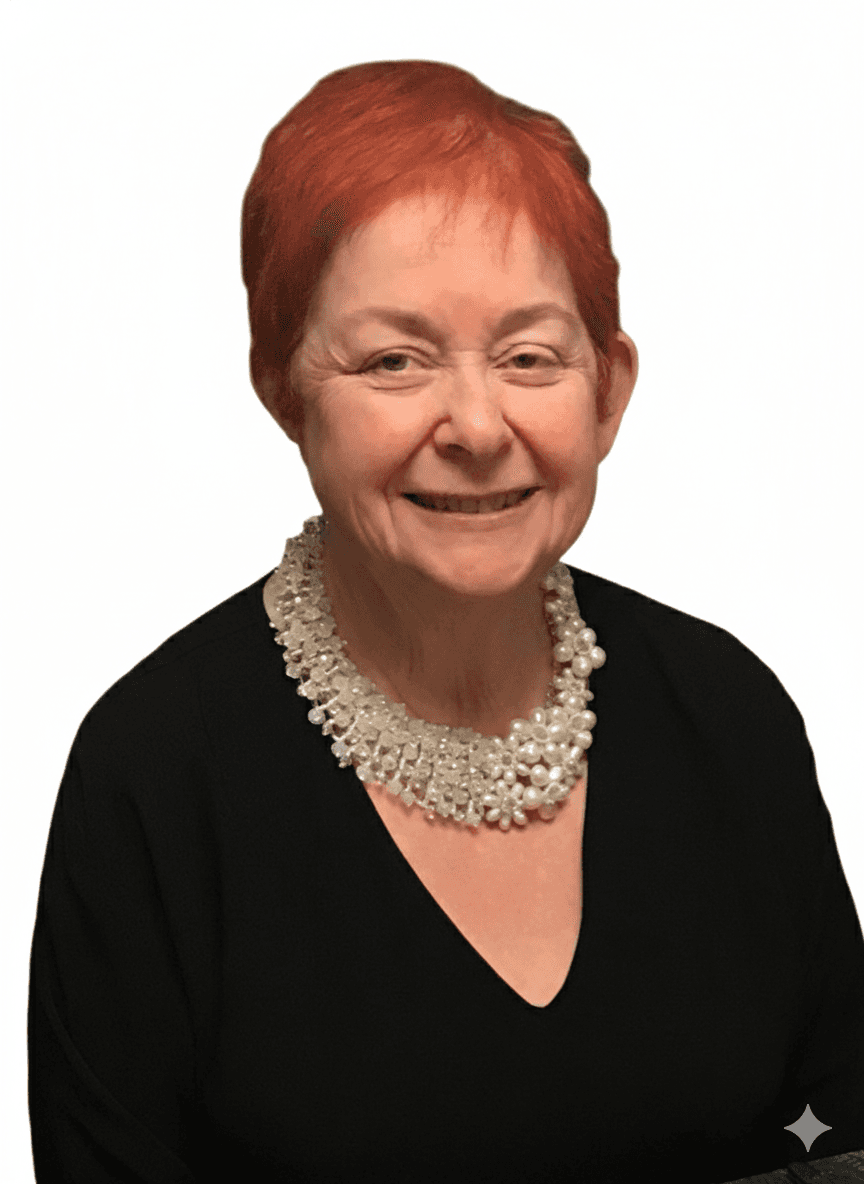
The 35-Year Observation
For more than three decades, Elizabeth Petigorsky stood at the front of classrooms, guiding students through formative years of growth and discovery.
She witnessed intelligence, creativity, and ambition in every generation. But over time, she also observed a profound shift. As the pace of technological and social change accelerated, students increasingly faced distraction, instability, and difficulty sustaining direction toward futures they had chosen for themselves.
Elizabeth saw that support existed—but it was unevenly accessible. Many families faced barriers of cost, availability, and time. Others avoided available resources due to stigma or structural limitations.
The gap was not one of potential.
It was a gap in access.
The Search for What Could Scale
Elizabeth began examining the broader landscape of mental health and wellness support.
Clinical care plays an essential role for those in distress, but it is reactive by design and often limited in reach. Traditional wellness practices offer meaningful benefits, yet require sustained effort, time, and personal discipline that many students struggle to maintain consistently.
Elizabeth recognized that these approaches, while valuable, could not reach all students early enough or broadly enough to serve as a universal foundation.
She began searching for solutions that could be:
Her goal was not to replace existing systems, but to expand equitable access to supportive tools that could exist alongside them.
The Discovery: A New Era of Access
Advances in computing, mobile technology, and digital delivery made new forms of self-directed tools possible.
For the first time, access could be expanded without requiring continuous supervision, clinical infrastructure, or physical proximity.
Elizabeth recognized that technology had reached a point where access could be democratized — where tools supporting internal clarity and forward movement could become widely available rather than limited to those with exceptional resources.
This was not about treatment.
It was about access.
It was about ensuring that students everywhere could maintain alignment with futures they had chosen for themselves.
From Observation to Action
Elizabeth Petigorsky founded the Democratization of Mental Wellness Foundation to expand equitable access to privacy-respecting tools that support student-directed mental wellness and personal development.
The Foundation operates under a simple principle:
DMWF does not diagnose.
DMWF does not treat.
DMWF funds access.support
Through charitable contributions, institutional partnerships, and pilot programs, the Foundation works to ensure that access to supportive tools is not determined by income, geography, or circumstance.
The Global Pilot Initiative
The Foundation’s first major initiative is the Global Pilot, designed to provide licensed access to students across five countries:
United States
Canada
United Kingdom
Australia
New Zealand
This pilot is designed to demonstrate that ethical, privacy-respecting access can be expanded responsibly and sustainably within university environments.
The objective is simple:
To ensure that every student has the opportunity to move toward a future they have chosen — privately, independently, and with dignity.